Tronc, tips & the Allocation of Tips Act 2024
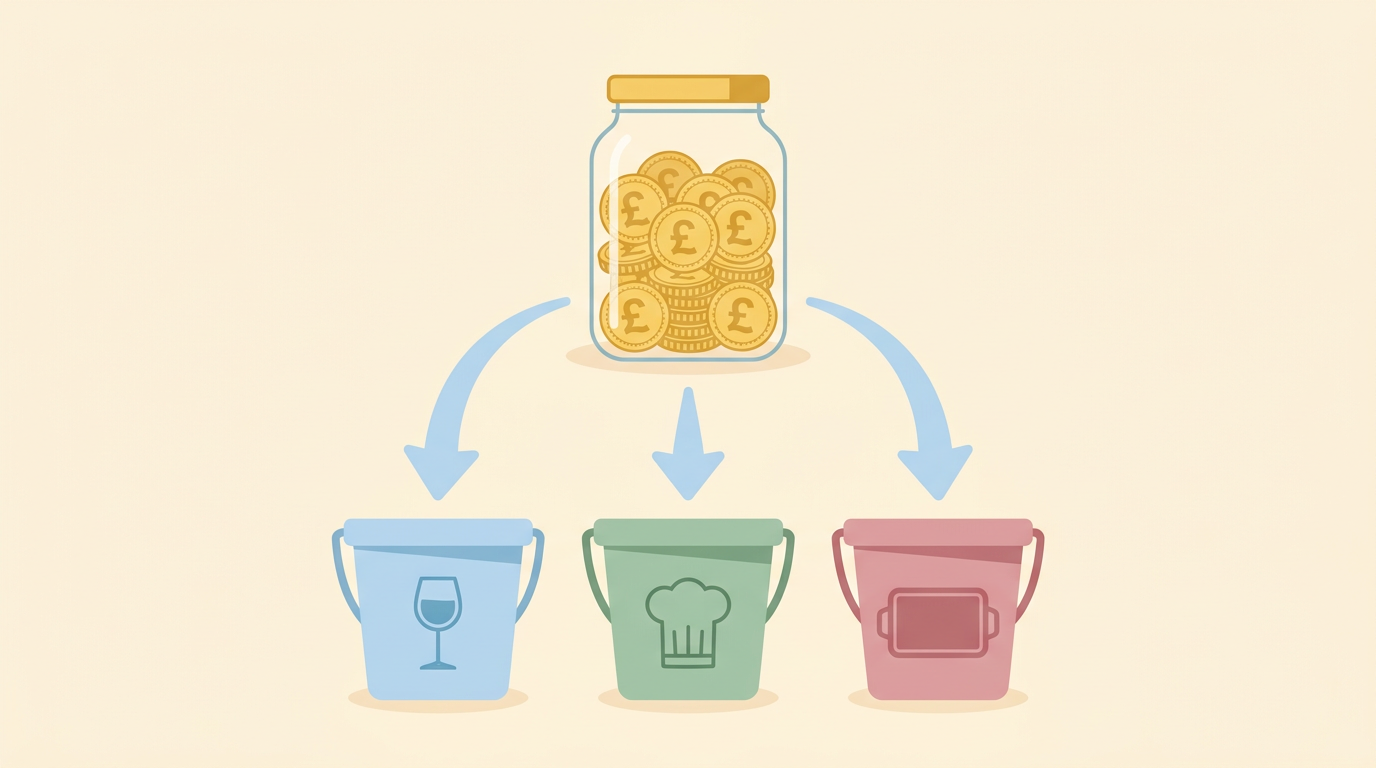
Since 1 October 2024, UK hospitality employers must pass on 100% of qualifying tips to workers, do so within a tight deadline, and have a written tips policy. This guide covers what changed, how a tronc works alongside the new rules, and what fair allocation actually looks like.
What the Allocation of Tips Act requires
The Employment (Allocation of Tips) Act 2023 — in force from 1 October 2024 in England, Scotland and Wales — places four core duties on employers: pass on 100% of qualifying tips without deduction; do so by the end of the month following the month they were received; allocate them fairly using a written policy; and let workers see a record of tips received and how they were distributed.
Workers can complain to an Employment Tribunal if these duties are breached. Tribunals can order back-payment plus up to £5,000 compensation per worker.
Qualifying vs non-qualifying tips
Qualifying tips are those the employer receives or controls — typically card tips, service charges, and any cash tips collected centrally. Cash tips kept entirely by the worker who served the customer fall outside the Act.
If you add a service charge to the bill, it is a qualifying tip and must be passed on in full.
What a tronc is, and why it still matters
A tronc is a separate, employee-controlled arrangement for sharing tips, run by a "troncmaster" who is independent of the employer. When the conditions in HMRC manual E24 are met, payments through a tronc are exempt from National Insurance Contributions for both employer and employee. Income Tax via PAYE is still due.
The Allocation of Tips Act does not abolish troncs — it sits on top of them. A tronc can still be the mechanism for allocating tips, as long as the rules in your written policy meet the Act’s fairness test.
What "fair" allocation looks like
The statutory Code of Practice expects allocation to be "fair and reasonable", taking into account factors like role, hours worked, seniority, performance and customer intention. There is no single right method — but you must be able to defend it.
Common methods: equal share by hours worked; a points/weighted system that gives kitchen and FOH a defined share; a hybrid (base allocation by hours plus a small performance pot).
The Code is clear that the kitchen and back-of-house staff should not be excluded just because they don’t serve customers directly.
The written tips policy
Your policy must be available to all workers. It should cover: how tips are collected; how often they are paid out; the method used to allocate them; how the allocation is decided and reviewed; how disputes are handled; and how records are kept.
Keep records of tips received and allocated for at least 3 years. Workers can request their own data once every 3 months.
Common pitfalls
Deducting card-processing fees from tips — no longer permitted. Holding tips back to fund a "till shortage pot" — no longer permitted. Excluding agency workers placed in your venue — they are entitled to a fair share. Paying tips quarterly — must be by the end of the month following receipt.
Related resources
Build compliant rotas in minutes
WorkSchedule helps UK hospitality teams build, publish and share weekly rotas while staying on the right side of the Working Time Regulations.
Get started free